Wednesday, October 11, 2017

Ebola vaccine debuts

Researchers at St George’s University of London’s Institute for Infection and Immunity recently developed a vaccine for the Ebola virus that is safe for children and adults, producing an immune response.

The vaccine, called rVSV-ΔGP-ZEBOV, contains a non-infectious portion of a gene from the Zaire Ebola virus. Lower vaccine doses should be considered when boosting individuals with pre-existing antibodies to Ebolavirus glycoprotein, a finding that has emerged after the vaccine was tested in a country that has experienced Ebolavirus outbreaks in the past.

The worst Ebola virus disease outbreak in history ended in 2016 after infecting 28,600 people and killing approximately 11,300 worldwide. The outbreak led to urgent action by medical experts across the world to combat this devastating disease, including the setting up of trials of vaccines to stop the disease taking hold.

The vaccine was one of two being examined by the World Health Organization (WHO) to identify urgently a vaccine to combat the Ebola virus outbreak in West Africa. The clinical trial was led by colleagues at the University of Tübingen in Germany, coordinated by Professor Peter Kremsner with their partner institute CERMEL in Lambaréné, Gabon.

“An unprecedented Ebola outbreak showed how it is possible for academics, non-governmental organizations, industry, and funders to work effectively together very quickly in times of medical crisis. The results of the trial show how a vaccine could best be used to tackle this terrible disease effectively,” Sanjeev Krishna, a professor at St George’s University of London’s Institute for Infection and Immunity, said. “We need a system of specialists, medical experts, and organizers that maintain vigilance against outbreak diseases like Ebola.”

Krishna was among a consortium of experts called VEBCON convened by the WHO in August 2014 in Geneva to discuss solutions and strategies for combatting the Ebola virus disease crisis. He acted as a scientific advisor to the new studies in Gabon. Krishna is also affiliated with the Institute of Tropical Medicine in Tübingen and carried out collaborative work for many years in Lambaréné.

Sunday, September 17, 2017

‘Women who patronize TBAs have poor health-seeking behaviour’


Women waiting their turn to see the TBA.


Despite availability of robust healthcare services in Lagos, preference for Traditional Birth Attendants (TBAs) remains high. TBA Homes continue to thrive despite the attendant risks those that patronize them often face. In this special report, JULIET UMEH examines the different perspectives of women that patronize the TBAs at the expense of the Primary Health Centres (PHCs) where at the required facilities, personnel and medication are available for the welfare of pregnant women and their newborns.

In several ways, it could be hard to contemplate that in 2017, with all the medical advancements and breakthroughs in science, there are women who still prefer the traditional ways of giving birth. One could ask if it was not in the medieval years that emphasis on tradition and custom was stressed? But several women in Lagos State, a megacity appraised as ‘Centre of Excellence,’ still rely on Traditional Birth Attendants (TBAs). To some, it is incredible.
 A large number of women, particularly rural dwellers, wholly embrace traditional birth practice despite availability of state-of-the- art primary and secondary healthcare facilities within easy reach. Some women that patronize TBAs told Nigeria Health Online (NHO), that the practice is an age-long custom they are not in a hurry to stop. Others attributed their preference of TBAs to the morbid fear of surgery, and their almost unshakeable confidence in TBAs.
 For Mary Ekeh, a resident of Ishaga area of Lagos, whose husband is an indigene of Enugu State, the practice holds sway from Ogwashiuku in Delta State where she hails from. The mother of three said she went to a TBA in Ikorodu, Lagos because medical doctor told her she would need to undergo a Ceasarean Section (CS) to have her second baby.

According to Mary, it was a friend who was in a similar situation previously that reminded her of the custom back home where women are not encouraged to give birth through CS.
“I went to the TBA because the doctor said I have a small pelvis, he told me that my pelvis is 9cm and that the hospital only allows women with at least 10.5 cm pelvis to push. I wanted to try it but was warned not to try. Then a friend that had a similar problem previously, directed me to a TBA, an Ijaw woman that successfully delivered her.
“After I started visiting the TBA, I saw different things happening to me that convinced me that I would deliver on my own. It was not as if she gave me so much medicine, all she did was cook unripe plantain and fish with some other materials. She did everything in my presence. After the meal I returned home. On another day, she cooked something else.
“I visited her place about five times. I was there once in three weeks. I started going when my pregnancy was like five months. On my last visit, two weeks before my delivery, she told me to pound a collection of leaves, squeeze out the juice and drink it. After I drank it I began to feel a sensation of my pelvis opening. At the end of it all, I had a successful delivery.”
Mary confessed that she actually regrets undergoing surgery to have her first baby and that but for the risk of traveling with the advanced pregnancy she would have resorted to her village. She noted that she paid the sum of N12,000 for the services of the TBA, pointing out that it was much less than what she paid to undergo the CS.


Mr. Olusesei, National President, Association of Traditional Midwifery of Nigeria
Mary is among women that live to tell their stories. Unlike her, Bukola Ayeni, a broadcast in Lagos told Nigeria Health Online that she is particularly worried that many of the deaths of women during child birth while being attended to by TBAs are not recorded. Bukola is also concerned that women who patronize these TBAs at the rural level, appear to have strong faith in them than even the hospitals.
“I know of two women at least in my area who lost their babies. One of the women died in the process. She had a General Hospital card but when she wanted to give birth, she opted for the TBA and the unfortunate happened,” she disclosed.
In the view of Dr. Yusuf Oshodi, a lecturer and Consultant Obstetrician & Gynaecologist at the Lagos State University Teaching Hospital, (LASUTH), activities of TBAs are a headache.
His words: “TBAs are known to mismanage patients, collect their money and later push them
out. We review maternal deaths on monthly basis because all government hospitals must keep record of maternal deaths. In the review we did two years ago, looking at three consecutive years, TBAs contribute over 60 percent of maternal deaths.”
Giving instances, Oshodi noted: “Some of them connive with the auxiliary nurses to carry out unwholesome medical practices. Next, they administer injections in unregulated manner and before you know it, the baby is affected. “What I am telling you happened less than two weeks ago in Isolo.

Both the woman and baby died. So, that kind of story is always repeating itself. The relatives don't complain. I won't like to reveal identities but they are loyal to the TBAs as if they swore to an oath. It makes it difficult to follow up with the persons responsible.
“Although some TBAs who are certified and registered claim there are quacks among them, what they ought to do is liaise with relevant government agencies to weed out the quacks because the fact remains that all patients that come from TBAs are regarded alike, whether or not the TBA is registered.”
Oshodi said patients with badly managed complications from TBAs are encountered daily and is worried that people that are quite enlightened and educated patronize TBA homes. He termed the development “poor health seeking behaviour”. He said some of the affected women die within 10-20 minutes on arrival at the hospital. “It’s as if they come to collect their death certificates,” he added.
Medical personnel often wonder why some women prefer TBAs for antenatal care and delivery? What benefits do they enjoy there and why won’t they go to the health centers or hospitals? The reasons are varied according to findings by NHO.
Adeyinka Olabisi, a 68-year-old Akwa Ibom-based woman who spoke in defence of TBAs noted: “It is because the services of traditional people are cheaper. Hospitals charge a lot of money and they will prescribe too many things to buy.”


TBA, Dotsey, Director of SAKDOS TRADOMEDICAL ENT.
Speaking at a herbal home in Ikorodu, Lagos, she disclosed that her first baby was born at tha Home and that she has continued to patronize the place with approval of her husband. Another woman, Ikilima Ismail remarked: “I was going to hospital but I discover that they are not taking good care of me, so I stopped going there. I started coming here when my pregnancy was 18 months. We just came from Abuja and we discover that many people are coming here and that their services are very good and as I come here, things are going well with me.”

A visit to a TBA centre in Badagry was a revelation. Women seeking antenatal care services trooped in one after the other. One of them, Bukky Durosimi, spoke to NHO. “I am here for my antenatal. I got married last year. It was my husband that asked me to come here. I did not register in any other hospital because this is the place my husband and my mother-inlaw want me to come. This is where my mother had her last born.”
As for 28-year-old Bose Abiodun, the TBA Home is more of a safe haven. “It’s been long I started coming here. This is where I had my first baby and I like the treatment here. I was ill when I was about having the baby, and in the hospital they told me that I would undergo surgery, but when I came here, I delivered the baby normally,” Abiodun said.
39-year-old Loretta Nzute, told NHO that she had been married 10 years, and that she came for fertility treatment, hoping to join the antenatal section later because her friend, Ify, who introduced her to the place put to bed and three other women she introduced also had positive stories to tell.
Sadly, despite the campaign against maternal death, Nigeria still has one of the worst maternal mortality indices in the world and is second only to India. In the days of old, the use of TBAs and home deliveries were preferable for the local community due to dearth of healthcare facilities, long distance from facilities and financial limitation. These were the three major constraints that prevented community members from accessing and using trained midwives and institutional deliveries.
 According to the World Health Organisation data on maternal mortality, in 2013, there were 560 deaths per 100,000 births in Nigeria. That figure includes women who die during or within 42 days of giving birth. Figures for Nigeria published by the World Bank in 2011 show that 49 per cent of births were attended by trained healthcare workers.
 Similarly, the National Demographic and Health Survey (NDHS) in 2013, the maternal mortality ratio is 576 deaths out of every 100,000 live births. The figure is as high as 1,100 deaths per 100,000 live births in northern Nigeria and in rural communities where women have little or no education, and access to essential health services is low, according to the NDHS 2013.
Mrs Veronica Olawunmi Tewe, onwer of Winners Healing Maternity


 With about seven million annual births, the number of women who die is about 58,000 each year. Maternal mortality rates in West Africa are among the highest in the world. One in every 30 Nigerian mothers die in childbirth compared with one in every 30,000 in Sweden. In Sierra Leone in the early 1990s, more than 2300 women were dying for every 100,000 babies that were born alive.
In Nigeria, 1100 women were suffering the same fate. The situation in both countries has improved dramatically in the past 25 years. Sierra Leone has more than halved the number of maternal deaths to 1100 for every 100,000 births, just as in Nigeria where the rate is 576 women for every 100,000 births. But this is a far cry from what obtains in developed countries. In Sweden, there are four deaths for every 100,000 births. In the US, there are 28 for every 100,000 births.
During a media interaction on the 2017 Maternal, Newborn and Child Health init6iative, Special Adviser to the Lagos State Governor on Primary Health Care, Dr. Olufemi Onanuga, stated recently that the maternal health bursen for the state is 555 per 100, 000 live births.
Olawole Abiola, health education officer at Amuwo Odofin LGA, also told NHO that Ori Ade LGA records the highest maternal mortality figures in Lagos. Most of the deaths are traceable to TBAs, he noted.
“Like we heard, not all of them are registered, possibly it is those who are not registered in riverine areas, because Amuwo Odofin and Ori Ade have a vast riverine landscape and I think because of that the unregistered TBAs thrive more there,” he said.
 Prince Mare Tajudeen Olusesi, National President, Association of Traditional Midwifery of Nigeria told NHO that he was trained by his late father, who was renowned in the practice. He said TBAs are doing a great work in the country, noting that his Centre takes up to 50 deliveries in a year. “We do everything possible to make sure we have safe delivery,” he added.
 He expressed displeasure over the uncooperative disposition of government and the medical  personnel.  “We don’t get support when there are complications that are referred to the General  Hospital.  They don’t attend to such referrals immediately; you start hearing different stories and queries like: Where are you coming from? Who ask you to go there? All these will not help our health system.
 “Instead of saying what is not about us, they need to embrace us and continue to train and retrain our members because the WHO advises every nation to establish a Board of Traditional Medicine and grow it with their peculiarities. 
 “What the Lagos State government needs to do is to include us in their own health system database so that when they are taking records of maternal mortality they will not be passing the blame on the TBAs.  “The irony of it is that the births of most of those in government or working in general hospitals today were mid-wifed by TBAs.
 “If they said people should not come to us, how many can PHCs and General Hospitals attend to? Go to the health centres now,you will see many pregnant women are waiting to be attended to while the nurses just shout at them. That is why some of them will not patronize government health facilities. So, when they come to us, we pamper them, talk to them and we rub minds together.”


However, Olusesi also pointed out that most of the bad outcomes of childbirths are from auxiliary nurses not TBAs. “The Lagos state government warned most of the private hospitals not to train auxiliary nurses but they still engage in such. Until all the quack nurses tagged auxiliary nurses are fished out, there is likely not going to be headway,” he submitted.

Mrs. Adeyinka Olabisi, TBA user at Ikorodu
Samuel Komi Dotsey, the TBA chairman in Badagry zone, who has been practicing for over 48 years said, “to ensure due diligence in our work, we usually inspect the premises of any intending practitioner before the person will think of going to the traditional medicine board for registration.
“Before I attest for any intending member, I always visit their premises so that certificate will not be issued wrongly by the Board. Without visitation, I cannot sign because the Board has to see my signature before giving approval. Some people are using two rooms, others, one room; provided it is very neat. The person must be ready for inspection anytime.”
Advancing reasons why TBAs are patronized by so many women, Dotsey said: “When you counsel, psychologically you are healing the person. When they come, we don’t demand money first, we start by counseling. That is why I don’t have a signboard. Patients do that for me.”
In corroboration of Dotsey, 45 year-old Veronica Olawunmi Tewe, leader of a faith-based organisation in Ikorodu, said women flood TBA Homes because they have cultural appeal, are affordabile, and have flexible payment methods (pay as you go) among other attractions. She said patients pay as little as N200 per antenatal visit, unlike in the private hospitals where the demand could be as much as N20, 000.
“In terms of availability or proximity, we are closer to the people. So, it is a lot more flexible than private hospital that will tell you to go and bring this or that, you can easily go and knock on the door of any TBA, there is one-on-one approach,” she asserted.
“In the orthodox system, the nurses are too hostile to patients, they don’t have their time, and it is too formal. An average TBA would go and visit patient at home but nurses don’t do that. We even attend their naming ceremony, she remarked.”
All the TBAs that spoke with NHO claimed they had never experienced incidence of death in their clinic. In a response, Tewe said: “When we have what we can’t handle, based on our orientation and training from the Lagos State Traditional Medicine Board, we send them to General Hospital.”
She said TBAs know their limit, noting that the indicatiors include delayed labour beyond 12 hours and if the baby is bridged, or there is High Blood Pressure, or the legs are swollen, or if the woman has previous history of CS.
The TBAs in Lagos are regulated by the state government. Speaking while presenting certificates to some TBA graduates in 2016, Governor Akinwunmi Ambode noted: “One of our policies in the health sector is to empower our traditional medicine practitioners and make them an integral part of our healthcare delivery system.
Lagos State has a functional Traditional Medicine Board that has strategic programmes targeted towards regulating, monitoring, promoting and integrating traditional medicine into modern healthcare system based on the 1978 Alma Alta Declaration of WHO. “The objective is to streamline traditional medicine and change public perception of traditional medicine as a religious and spirit-magical practice by virtue of their proximity and accessibility to the rural dwellers.” Ambode noted that the State decided to train TBAs to protect the health of mother and baby; care of women during pregnancy and child birth; and to refer women and newborns to higher care when conditions arise beyond their scope of practice and capabilities.
 But the latent questions in the minds of many are whether the TBAs have requisite training to address the cases they come in contact with as most of them claim to have learn the craft from their parents and have also gone for further trainings?  Are they really adding value to the health system?
Onanuga, however, told NHO that the TBAs are actually adding value to healthcare delivery system because they are very well-trained and they actually understand why they are there and they know their limits.
Dr. Oshodi, Consultant at LASUTH
“For instance last year, 400 of those we trained were awarded certificate by Governor Ambode. This year, we are also training another 400. What we are preaching to them is that they should internalise the training we are giving them and that they should also know their limit. They should know all the danger signs; they should know when to refer to PHCs and the secondary health facilities. So, they add value to the health system.”
 He, however, added : “We also need to do a lot of enlightenment on health education very well, so that they know what to do. So, like I have said, I am sure we can always have checkers and then we move forward to reduce maternal mortality.”
Conversely, Oshodi explained that TBAs have no business takingdeliveries and his reason is simple: “When you talk about skilled birth attendant, what does that mean? That means the person must have the requisite training, be certified knowledgeable and skilful using the competency-based test.
“So TBAs are not recognized as skill birth attendants in the balance of obstetrics practice, they are not, because if they are, tell me a patient that is in labour, and has had two deliveries before and suddenly the labour was not going on, may be the uterus was not contracting again: What will they do? Is it incantation, or would they give the drugs inside drip to enhance the womb to contract so that the labour can continue and the woman deliver? How will they do that? They don’t know.”
On how to make health care services attractive, Oshodi identified some key points.  “Yes, if we can make health care services delivery free, it will be an incentive. Two, if health workers should be more accommodating; because patients are complaining that healthcare workers are rude and not compassionate. If health personnel change attitude and become more receptive, patients will stop seeking alternative.
“Importantly, the wherewithal that the doctors and health workers need to work should be provided along with adequate healthcare personnel like doctors and nurses. More so, there is need for legislation that will include sanctions to deal with quackery. When people are made to face the wrath of the law then it will serve as deterrent to others and the others will not want to do it,” he suggested.
 Further, he suggests massive health education and campaign involving grassroots levels, all stakeholders – market women, opinion leaders, traditional rulers and religious leaders; professional associations as well such as tricycle operators, i.e. Okada riders, hair dressers, and pepper sellers. Interestingly, Oshodi wants Ondo State approach adopted in Lagos where TBAs were asked to stop taking deliveries and were tailored towards acting as “community scavengers”. This involves taking pregnant women that approach them to government hospitals, and for that they get compensated. He is of strong conviction that if it works in Ondo State, it can work elsewhere.


Wednesday, September 6, 2017

New cancer therapies from Takeda, Noile-Immune Biotech

Takeda has announced a new cancer drug research collaboration with the Japanese biotechnology company Noile-Immune Biotech.The alliance aims to develop next-generation chimeric antigen receptor T (CAR-T) cell therapies, based on research from Professor Koji Tamada at Yamaguchi University, to which Noile-Immune has an exclusive licence.CAR-T therapies produce cytokines, chemokines and other molecules that can influence or alter tumour microenvironments to enhance the effect of the therapy. The companies intend to use this technology to treat a broad range of cancers.
In addition to providing resources required for implementation of the alliance, Takeda will make a technology access payment to Noile-Immune Biotech, as well as an equity investment.
Takeda will receive an exclusive option to obtain licensing rights for the development and commercialisation of Noile-Immune's pipeline and products resulting from this partnership.
Chris Arendt, head of the oncology drug discovery unit for Takeda, said: "This collaboration is another example of our commitment to invest in highly innovative technologies and to work with top external scientific and clinical teams as we seek to deliver therapies that address the needs of patients with cancer."

Sunday, August 20, 2017

Ajayi, fertility crusader shortlisted for Lagos State Man of the Year 2017 Award

Dr Ajayi
TO a wide section of Nigerians, the nomination of  the Managing Director/CEO Nordica Lagos, Dr Abayomi Ajayi, by the Centre for Policy Development & Political Studies, for the coveted Lagos State Man of the Year 2017 Award is a welcome development.
Among the bevy of great achievers and notable captains of industry shortlisted in recognition of their excellence, innovation and advocacy in their chosen field of endeavor, Ajayi stands out in a class of his own.
His listing for the prestigious award does not come as a surprise considering his significant professional achievements and contributions towards the advancement of medicine in Nigeria
in general and Lagos State in particular.
Ajayi's
antecedents as a major thought leader in the Nigerian health sector are indubitable. Ajayi’s contributions towards educating the Nigerian public and medical professionals in the area of assisted reproduction are second to none.
A clinical gynaecologist and fertility medicine specialist with over 33 years experience, Ajayi has dedicated 28 years of his medical career to reproductive health and the last 15 years to helping families challenged with infertility to achieve their dream through assisted conception.
A true advocate for Sexual and Reproductive Health & Rights (SRHR) and maternal/ child healthcare, his aptitude for bringing succour to women with complex gynaecological issues is notable.
From his days as a Consultant at Lagoon Hospital, Lagos, Ajayi’s passion for impacting on women’s reproductive health issues and resolving infertility and other sexual and reproductive health problems of married couples has been established.
This passion culminated in the emergence of the Nordica group of fertility centres that rank among the best in Nigeria and Africa.
Through the Nordica Fertility Centre with branches in Lagos, Abuja and Asaba, Ajayi and his team of professionals, provide high-end Assisted Reproductive Treatment services in the form of IVF, ICSI, IUI and other modern advanced techniques in fertility services.
Nordica Fertility Centre, Lagos, in particular, has been at the forefront of educating Nigerians about fertility treatment options while offering one of the strongest Corporate Social Responsibility and community development services in the country.
Winner of the several awards including the “Icon Of Health Promotion Award” instituted by the Faculty of Clinical Sciences, College of Medicine University of Lagos, Ajayi in the course of his professional exploits, has impacted positively on the lives of thousands of Nigerians by restoring hope and helping couples to overcome the challenge of infertility and  complete their families through Assisted Reproductive Techniques, ART, such as IVF.
He has been in the forefront of research into male infertility and use of genetics in IVF to help investigate why babies die at birth and ways of eliminating congenital abnormalities in newborns.
For the past 12 years through his NGO - the Endometriosis Support Group Nigeria (ESGN) - Ajayi has helped break the silence around Endometriosis, a dreaded but often misdiagnosed condition that affects women of reproductive age.
Through sustained awareness drive, as well as helping to treat the infertility often associated with the condition, Ajayi is helping to awaken the consciousness of both the medical community and the general public to the scourge.
Dr Abayomi Ajayi
In recognition of his relentless pursuit and notable efforts to improve the quality of life of many women in Nigeria living with endometriosis, and also helping to finding lasting solution to the menace, Endo March Worldwide awarded him the “Endo Hero of the Year Award” among other accolades.
In partnership with the Fertility Treatment Support Foundation (FTSF), a registered non-profit organisation that gives out free IVF treatment to infertile couples, Ajayi, through Nordica Fertility Centre, Lagos, has enabled Nigerian couples with the challenge of infertility, to access full assisted reproduction technology, ART, services, in form of Free IVF treatment cycles.
Recently, Nordica and its technical partners, FTSF/Alibaba Jan 1st Concert organised free fertility treatments for indigent Nigerians. Six couples are beneficiaries of this initiative.
One of the best qualities Ajayi has entrenched in the health sector is helping the medical profession, as well as the public, to demystify IVF by explaining how it works, and unmasking negative perceptions towards IVF babies and fertility treatments in general.
By helping to establish acceptable legal framework and regulation of the Assisted Reproductive Techniques industry, Ajayi has spearheaded advanced medical education beyond the mainstream for Nigerian doctors in the area of heteroscopic surgery, acupuncture and minimal access surgery, among a host of others.
Today, more than ever before, the significance of infertility treatment is apparent in Nigeria, and the old perception of infertility as a deadline is gradually changing. A lifeline in the form of infertility treatment is the new order.
Ajayi’s role in impacting on the health and welfare of Nigerian women, couples and the family unit as a whole is strengthening this new order.  
Winning the Lagos State Man of the Year 2017 Award can only inspire and galvanise such effort and enable more lives to be touched with the message of hope in fertility.

*To vote for Dr Ajayi as the Lagos State Man of the Year 2017, just text “Award Dr Abayomi Ajayi “ to +234708585007. Kindly cast your vote and tell your friends to also support his nomination by casting their votes on or before Sunday August 20th 2017 when voting ends.


Tuesday, August 8, 2017

Assisted Reproductive Technology market to hit $3.779 billion in 2025

Image result for Assisted reproduction technologyA new market report published by Transparency Market Research entitled: "Assisted Reproductive Technology Market: (Global Industry Analysis, Size, Share, Growth Trends and Forecast, 2017 - 2025" shows that the global market for Assisted reproductive Technology (ART) was valued at $2,210.0 million in 2016 and is estimated to reach $3,779.0 million by 2024 at a CAGR of 6.3 per cent from 2017 to 2025.
Assisted Reproductive Technology  (ART) are treatments for infertility, performed to achieve a child birth. The ART procedures includes artificial insemination or stimulation of ovaries to increase egg production, or procedures where the eggs and sperm are combined in a laboratory (in vitro) and the resulting embryo is transferred to a woman to attain pregnancy. 
Delay in childbearing age to pursue higher education and career growth which has increase the demand for ART treatment.
Increasing population of women of advanced reproductive age is seeking for assisted reproductive technology (ART) treatment due to age-related infertility. Adoption of ART has increased worldwide but rise have been most boosted in jurisdictions that provide public funding for ART treatment.
The rising incidence of infertility, high success rate of ART treatment and increase in number of fertility clinics worldwide has gain popularity among the patients for adoption of ART treatment which has augmented the growth of assisted reproductive technology market.
The global ART market is segmented into technology, procedure, end users and regions. Based on technology, the assisted reproductive technology market is segmented as in IVF, artificial insemination, surrogacy and others. The IVF market is segmented into intra cytoplasmic sperm injection (ICSI) and pre-implantation genetic diagnostic (PGD).
Artificial insemination is segmented into intrauterine insemination and intracervical insemination and others. In vitro fertilization is the major segment of technology in the assisted reproductive technology market. 
High success rate and technological advancement in development of new devices for IVF treatment are likely to propel the expansion of the segment during the forecast period. 
Rise in rate of male infertility, low cost of artificial insemination technology and surrogacy in developing nations, rising incidence of reproductive tourism & cross border reproductive care are estimated to drive the market of artificial insemination and surrogacy segment during forecast period. The others segment is anticipated to remain steady during the forecast period due to the high cost and less awareness of GIFT and ZIFT technologies and dominance of IVF and surrogacy in the global market.
Based on procedure, the market is segmented into frozen donor, frozen non donor, fresh donor, fresh non donor, and embryo banking. Fresh non donor segment accounted to hold the largest market share in 2016, due to low cost of overall treatment with usage of own egg, and high rate of success of ART cycle with usage of fresh non donor procedure. 
Frozen non donor is the second largest segment and is likely to be driven by development of new technology for freezing, rise in awareness about medical fertility preservation, and initiatives by governments in opening and expansion of fertility preservation centres.
Based on end user, the assisted reproductive technology market is segmented into fertility clinics, hospitals and others. Fertility clinics accounted to hold the largest market share in 2016, due to constant rise in fertility clinics, high success rate of fertility treatment in clinics due to adoption of advance technology, tie up of clinics with consultant, and rising fertility tourism. 
The hospitals segment is expected to grow by 2024 due to advanced procedures and equipment, availability of expert doctors, and ongoing research in hospitals for improving the success rate and technology in ART treatment.
The Global Assisted Reproductive Technology Market is segmented by Technology as follows:
In Vitro Fertilization, Intra-cytoplasmic Sperm Injection (ICSI), Preimplantation Genetic Diagnosis (PGD), Artificial Insemination, Intrauterine Insemination (IUI), Intracervical Insemination (ICI) and
Surrogacy among others.

Friday, August 4, 2017

Ebola detected in semen of survivors two years after infection

Ebola virus can persist in the semen of survivors more than two years after the onset of infection researchers at the University of North Carolina at Chapel Hill have found.
Detection of Ebola virus Riboxynucleic Acid, RNA, (genetic material) in the semen of men who had previously had a negative test of their semen in some cases has been reported, according to results of the study published in Open Forum Infectious Diseases.
Male participants enrolled in a longitudinal cohort study of Ebola survivors in Monrovia, Liberia, consented to donating semen.
Of the 149 men who provided samples, 13 tested positive for Ebola virus RNA. Of these 13 men, 11 had positive results even two years after the onset of Ebola infection.
"Our finding of long term persistence and intermittent detection of viral RNA in semen suggests we need to change how we think about Ebola as it is no longer only an acute illness, but also one with potential long-term effects," Dr William A. Fischer, an assistant professor in the UNC Division of Pulmonary and Critical Care Medicine and the study's co-author.
"It is becoming clear that in some survivors, evidence of the virus can linger in the male genital tract for long periods of time with important potential implications for transmission."
Fischer notes that while there has been documented sexual transmission of Ebola earlier after acute infection, it is not known whether the presence of RNA serves as a correlate for infectious virus and if transmission this far out is possible.
The study team also reports that the men whose samples tested positive for Ebola virus RNA were more likely to be older than those with a negative result.
Those who had Ebola virus RNA detected in their semen also complained of vision problems at a higher rate than male survivors without evidence of Ebola virus RNA in their semen.
The researchers recommend future studies investigate the source of viral persistence and whether the detection of viral RNA signifies the presence of infectious virus.
The large Ebola outbreak in West Africa in 2014 to 2015 was devastating to the people in West Africa and beyond, said David Wohl, professor of Infectious Diseases at UNC and study co-author noted: "However, the scale of the epidemic has allowed for researchers to gain better insights into the Ebola virus, including the potential persistence of the virus in certain compartments of the body, such as the genital tract."

Monday, June 19, 2017

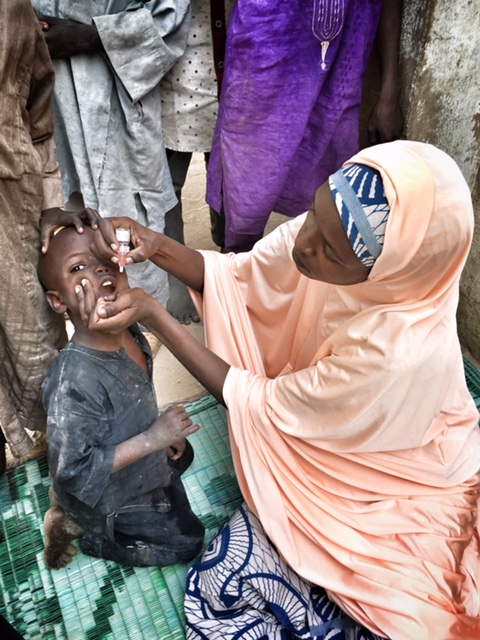
World leaders pledge $1.2b to protect 450m children from polio

Image
GPEI has launched a rapid response to reach Nigeria's last child 

GLOBAL health leaders have reaffirmed  commitment to eradicating polio even as they  gathered at the Rotary Convention in Atlanta to uphold their pledge of US$ 1.2 billion to finance efforts to end the disease. To end polio for good, government representatives and partners came together to renew their commitment to supporting crucial activities such as vaccination and disease monitoring, which will protect more than 450 million children from polio each year. Thanks to the incredible efforts of Rotarians, governments, health workers, partners and donors –  including those who have gathered at the Rotary Convention in Atlanta – we are closer than ever to making history,” said Chris Elias, Global Development President, Bill & Melinda Gates Foundation and Chair of the GPEI Polio Oversight Board. “These new commitments will help ensure that we will finish the job.” In a time of many global challenges and priorities, governments and partners have stepped forward to demonstrate their collective resolve to seeing the second human disease ever eradicated. 

Bill Gates, co-chair of the Bill & Melinda Gates Foundation, and John Germ, president of Rotary International, also announced an extension of their partnership in front of more than 20,000 Rotarians. Up to US$ 150 million in funds raised by Rotary members over the next three years will be matched 2:1 by the Gates Foundation, resulting in up to US$ 450 million in the next three years for the GPEI.
The Gates Foundation pledged a total of US$ 450 million, including this matching agreement.
“The global eradication of polio has been Rotary’s top priority since 1985. Rotary members have been the driving force behind the fight to end polio since its inception,” said John Germ, President of Rotary International. “Their continued commitment to raising funds for eradication – coupled with today’s match by the Bill & Melinda Gates Foundation – makes that impact even greater.”
Today’s funding helps address a US$1.5 billion funding need that will help ensure that the virus is eliminated from these remaining countries and prevented from regaining a foothold anywhere else in the world.
 “Constant innovation has been key to improving vaccination coverage and reaching more children with the polio vaccine,” said Dr. Anne Schuchat, Acting Director of the U.S. Centers for Disease Control and Prevention. “The unrelenting commitment and support of these global leaders will help us do just that—and ultimately end this disease for everyone and forever. CDC remains deeply committed to polio eradication and has contributed US$ 2.28 billion since the beginning of the initiative."
WHO Director-General Dr. Margaret Chan said: “The key to ending polio will be to ensure that millions of health workers – some of whom work in the most challenging environments in the world – are able to reach every child, everywhere in the world. Eradicating polio will be a perpetual gift to coming generations.”
Today’s contributions and the continued commitment of all donors and partners will help end this devastating disease and ensure that the infrastructure and assets used to fight polio lay the foundation for better health outcomes for children everywhere for years to come.

Diphtheria: FG races to contain outbreak, deploys 500,000 vaccines

By Admin  Alarmed by a diphtheria outbreak affecting children in parts of Katsina and Kano states, the Federal Government has a...