Saturday, June 10, 2017

Parents of IVF children narrate struggles with infertility

From left:  Mother of quintuplets,  Mrs.  Victoria Olayemi,  with Dr Abayomi Ajayi,  MD Nordica Fertility Center, Lagos and Clinic Manager, Nordica Fertility Center. Lagos, with some IVF children during the Nordica Bon Bon party held at Fun City,  Victoria Island,  Lagos in commemoration of Children's Day 2017. 


Not unexpectedly, most people turn out to be good parents, but when you become a father or mother after years of struggling with infertility, you’re more than likely to become a great parent. It is also known fact that children conceived after IVF are much cherished and loved despite the their struggle with infertility.
This much holds true for a number of men and women challenged by infertility before becoming parents. One of such is Mrs. Folasade Akinode, a retired director of pharmacy, who got pregnant for the first time after 18 years of marriage and became a mother of triplets at 57.
Folasade, who is currently the oldest woman to conceive after IVF at Nordica Fertility Centre, Lagos, gave insight into her infertility story during the last Nordica Bon Bon family fiesta at Fun Factory, Victoria Island, Lagos - an annual get together of families whose children were conceived at Nordica Fertility Centre, Lagos.
After battling the challenge of infertility for years, Folasade recounted how she conceived at 56 and at 57 delivered triplets, two girls and one boy. Tragically, the male child was lost soon after birth, but the girls - Mojereigbagbo Esther and Eriigbagbo Mary are doing excellently.
Folasade who described the joy of being a mother as “indescribable” remarked: “Maybe I would have died. I can’t describe the joy.
“I opted for IVF because I didn’t have children earlier. It was when I reached menopause that I decided to do it. I was married 18 years. I had triplets but lost one. I am happy I won’t die without children.
“IVF worked for me. It was not expensive for me, I was working then, I was even training children. I spent over N1million.It is real. My children will be seven years this year.”
Folasade’s story is one of the growing cases of postmenopausal pregnancy, that is, women that become mothers after menopause.
But women that are premenopausal benefit even more from IVF and other Assisted Reproduction Techniques. According to Lara Evborokhai, an accountant, who waited 16 years to have her baby, conceiving through IVF is worth the cost.
Lara argued that the idea of children conceived through IVF and other ART procedures, coming together to associate with each other, interact, have fun and create awareness helps give hope and demystify perceptions about IVF babies not being normal babies.
“I am a member of FAAI and my husband is the President of the support group. From Nordica I have a daughter, her name is Sarah. I waited 16 years before Sarah came, and she will be 4 in July. I’m so proud I didn’t sit at home thinking there is a witch in my village haunting me.”
Admitting that the IVF procedure could be expensive, Lara said couples that work towards it usually find it achievable and affordable.
“For those of us who are still breathing, don’t fold your hands and sit back there thinking there is a witch in your village blocking your womb and preventing you from conceiving. Get up and seek medical advice.
“IVF babies are normal babies,” she asserted. “While it is not everybody who necessarily needs IVF but if your doctor says you need IVF, please go for it. Save the money, it is achievable. I did it.”
According to Oladipo, also parent of IVF baby:  “I have one boy, Emmanuel, after 19 years of fruitless marriage, at that time my wife was close to 50 before we had him. Actually if you see him he looks like me. We are like identical brothers. By July he will be nine.
 “Many people run from IVF, thinking that IVF children are not normal but we are here to say that IVF babies are normal babies, very intelligent with high IQ.  As parents we are spreading the gospel for people should do IVF if they have challenges with fertility.”
Another baby, Emmanuel Soetan, was conceived through IVF after his parents had been married 11 years and his mother had almost attained age of 50. In the views of his father, Ebenezer, there are many families either unaware of IVF or cannot afford it.
“They can draw from our experience. We’ve been there and have successful stories to tell through the thick and thin. “IVF babies are intelligent and normal.”
Victoria Olayemi a.k.a. Mother of Five-Alive, who gave birth to the first set of quintuplets at Nordica (the Shofunlayos quintuplets) in 2011, is also on the long list of mothers of Nordica’s IVF children.
The Bon Bon Fiesta at Fun Factory, Victoria Island, Lagos, is put together in celebration of Children’s Day by the Fertility Awareness and Alliance Initiative, FAAI, a support group to Nordica, with the aim of creating awareness among married couples that are looking for the fruit of the womb in order to “complete” their families
Medical Director Nordica fertility centre, Lagos, Abuja and Asaba, Dr. Abayomi Ajayi, said age has never been a barrier to parenthood, “but the fact that there is technology doesn’t mean we use it anyhow and so what we try to do is to limit the age at which you can have IVF.
“A 60-year old can have it but we try not to do that in Nordica for so many obvious reasons because the children are going to grow up in future. A 60-year-old can have children as long as there is a uterus and the woman is healthy. But due to cultural reasons of raising children, we try not carry out procedures for 70-year-olds.
“For a 70-year old looking after a child would be really very tough that’s why we try to put a limit to it. The truth is that the oldest mother in the world is 70, so it is possible once you are healthy.
Ajayi described the greatest challenge to ART in the country as the foreign exchange. “We are heavily dependent on the foreign exchange. Everything is imported; if you want to do IVF it is imported and therefore costs money. There is a limit to which you can increase your prices.
He advised that in order to make IVF more accessible to the people, government must enforce regulation. “What government can do to help is to really see that we don’t have quacks so that people that are going to pay out of pocket will get value for money.
“We have an association trying to do that but you know that there is no association that has the ability to police so even if we say we you are not doing it right if there is no power to police and say we need to shut you down, then people will continue to go there and some people who don’t know much about IVF look at cost, that’s not how to go about IVF because there are different things involved. It depends on what the problem is and that’s what’s going to determine the treatment and probably the technology that will be applied to you.
“The first thing is that our people need to know more about IVF just like every other part of the cost. They need to be more conscious about how things work and then also confront some of these people who are doing some funny things.
“In Nordica we complete families and have a worthy alliance with FAAI. They decided we are celebrate the children and they agreed to sponsor it, that’s what this is about, celebrating the lives of our children because to them belong the future of Nigeria and the world, so they are worthy of celebration and since there is a day dedicated to celebrating children, we just thought it would be nice that we join the world to celebrate our children.”

Thursday, June 1, 2017

Nigerian youths seek sustainable immunization financing plan

Nigerian Youths have called on the Federal Government to develop a sustainable domestic plan for Vaccine Financing as Gavi, the Vaccine Alliance begins its five year exit plan from vaccine financing support for the country.
The position was made known  at the end of a 2-day Routine Immunisation Youth Champions retreat put together by Community Health and Research Initiative (CHR) through Partnership for Advocacy in Child and Family Health (PACFaH).
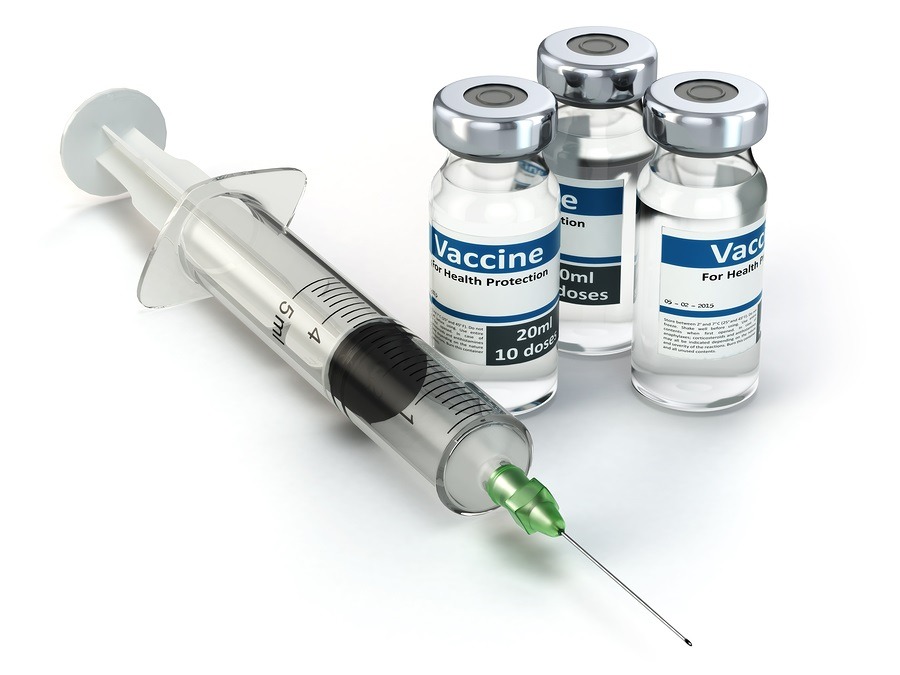
Image result for vaccinesAmong issues discussed and resolutions reached at the end of the retreat was the recently approved $125m World Bank Loan to finance 2017 Polio Eradication Programme, and other Routine Immunisation Vaccines, but stressed the need for government’s ownership of Immunization financing, without dependence on loans and donors support.
The youths, representing a coalition of CHR-PACFaH CSOs from Bauchi, Kaduna, Kano Niger and National called for recovered monies to fund pressing health issues and strengthening of Primary Healthcare Centers.
They urged government to increase budgetary allocation to immunisation during the Gavi Transition period to bridge funding gaps as well as provide innovative financing through taxes.
 They called for full implementation of  recommendations contained in the Addis Declaration on Immunization Financing ratified by 54 African Ministers of Health during the 2016 Ministerial Conference on Immunisation in Addis Ababa, recently and endorsed by African Heads of States at the 70th World Health Assembly,
The youths who are members of Kaduna State Accountability Mechanism for MNCH (KADMAM), Bauchi State Accountability Mechanism for Maternal, Newborn and Child Health (BASAM), Accountability Mechanism for Maternal Newborn and Child Health in Kano State (AMMKaS), Civil Society on Maternal Newborn and Child Health in Niger State (COMiN), and TrackHealth National Accountability Mechanism (T-NAM), also saw the need for Nigeria to create an immunization trust fund.

Wednesday, May 3, 2017

Novel vaccine against newborn infection in the works

South African manufacturer Biovac Institute (Biovac) and PATH, an international health organization, have announced the launch of a collaborative partnership to develop a novel vaccine against Group B Streptococcus (GBS), a leading cause of severe infection in infants.
Supported by a grant from the Bill & Melinda Gates Foundation, the partnership was announced at the Innovation Effect Africa symposium held alongside the World Economic Forum event in Durban.
Biovac, a public-private partnership based in Cape Town, will be one of only three companies in the world and the only developing-country vaccine manufacturer to develop a novel conjugate vaccine against GBS.
GBS is a leading cause of severe infection in newborns and young infants in many countries, including South Africa. In fact, the estimated incidence of invasive GBS disease in South Africa is among the highest, with 2.38 cases per 1,000 live births.
Whilst people of all ages can contract the GBS bacterial infection, newborns are more susceptible and vulnerable to this potentially deadly infection—particularly as an estimated 1 in 4 pregnant women carries the GBS bacterium, which can be passed to babies during birth. 
In parts of the developing world, mortality rates can reach as high as 38 percent. Babies who survive the disease are often left with lifelong disabilities such as deafness, blindness, and developmental delays. GBS may also play a role in miscarriage and stillbirth.
Preventative antibiotic treatment given to mothers before birth can successfully prevent early-onset GBS in newborns, but this option is not available in most resource-limited countries—and it doesn’t always protect against late-onset GBS, which can occur in the weeks or months following birth without any clear cause.  .
A vaccine against GBS would be revolutionary in that it would be given to pregnant mothers who would pass on the protective antibodies to their babies, ensuring protection at birth and during the first critical months of life (when late-onset GBS disease is a risk).  
No licensed vaccines currently exist to protect against GBS infection. A GBS vaccine designed specifically for low-resource countries could provide a chance for all babies to get a healthy start in life. 
“Biovac has demonstrated the ability to successfully partner with leading multinational companies in vaccine manufacture. This recent collaboration with PATH and the Bill & Melinda Gates Foundation further adds to Biovac being the partner of choice in human vaccines in Africa and fulfills our quest to not only being a manufacturer but a true developer of novel vaccines aimed at African and developing-world diseases,” said Dr. Morena ‘Makhoana, CEO of Biovac.
PATH has one of the world’s largest vaccine portfolios, with expertise covering the full spectrum of activities needed to reach those most at risk from vaccine-preventable diseases. That includes preclinical work and clinical trials in low-resource settings to build evidence of a vaccine’s effectiveness.
 “A vaccine against GBS could provide newborn babies with needed protection against a serious and life-threatening disease for which they are at risk during the first months of life,” said Dr. Mark Alderson, director of PATH’s GBS, polyvalent meningococcal, and pneumococcal vaccine projects.
“Our partnership with Biovac—an up-and-coming vaccine development company based in South Africa—reflects our goal to serve the people most affected by this devastating disease and deliver a vaccine where it is most needed.”

“The first few weeks of a baby’s life are by far the most critical—newborns are more susceptible to infection because they haven’t yet developed immunity and many infections occur too early to be prevented by vaccination of the infant; infections can, however, be prevented if mothers are protected by immunizations and then provide their babies with natural antibodies,” said Dr. Keith Klugman, director of the pneumonia team at the Bill & Melinda Gates Foundation. “The Gates Foundation is proud to partner with PATH and Biovac on our first grant to an African company to develop a Group B Streptococcus vaccine specifically designed to protect mothers and babies in sub-Saharan countries where the disease is most prevalent.”

Sunday, April 9, 2017

Meningitis: Death toll rises to 438 in 19 States

*Mass vaccination commences in Zamfara
Even as the Federal Government commenced the Meningitis C Reactive Vaccination exercise in Zamfara State - hard hit by the current outbreak of meningitis in the country, death toll from the disorder has continued to rise in all affected States.
On Friday 7th April, the Nigeria Centre for Disease Control,  NCDC, confirmed a total of 438 deaths out of 3,959 suspected cases  reported in 106 Local Government Areas of 19 States of the Federation.
Giving an update of the situation report of 6th April 2017, NCDC;s Technical Adviser, Communications, Dr Lawal Bakare, said a total of 181 (11 per cent) of the cases have been laboratory-confirmed by Pastorex and Culture, while Neisseria meningitides serotype C is the most common serotype accounting for 83 per cent of cases.
The update revealed that Kogi, Oyo and Delta have joined the list of affected States, however, the North-West zone remains the most affected with Zamfara State topping the list with a total of 262 deaths and 2,332 suspected cases in 12 LGAs,  71 laboratory confirmed.
According to the report, the next most affected is Sokoto State with 61 deaths  and 1,045 cases in 18 LGAs, 47 lab confirmed, while Katsina State is 3rd with 48 deaths  and 228 cases in12 LGAs.
Children aged 5-14 are the most affected age group accounting for  52 per cent of cases, the report noted.
Meanwhile, the vaccination exercise in Zamfara State witnessed massive turnout in the target Local Government Areas.
Bakare said a public awareness campaign which began on the 6th of April 2017 in the eight most affected LGAs targets 300,000 persons aged 2 – 29 years is expected to continue until April 9, 2017, even as more campaigns are planned in other States in the near future.

The exercise is being conducted by the National Primary Health Care Development Agency, NPHCDA, in collaboration with the NCDC in support to the Zamfara State Government as part of the on-going response and control activities to curtail the outbreak in the State.

Sunday, March 26, 2017

ESGN teams up with physicians to address Endometriosis in adolescents


L-R Dr. Victor Ajayi; Dr. Odunukwe Nkiruka; Dr. Abayomi Ajayi; Mrs Tola Ajayi, Prof Bomi Ogedengbe, Dr. Robert Zurawin, and Monique Bonavita Bueno.

Dr Robert Zurawin

Prof Bomi Ogedengbe
A renowned Paediatric & Adolescent Gynacology Surgeon, and specialist of Minimally Invasive Gynaecology, Dr Robert Zurawin, has called for increased knowledge and awareness of Nigerian doctors about Endometriosis.

Zurawin, who is Associate Professor at the Division of Gynaecology, Baylor College of Medicine, Houston, Texas, and MD, Texas Institute for Gynecologic Research & Education, as well as Specialist in Endometriosis, fibroids, and alternate procedures to hysterectomy and urinary incontinence, said doctors can only think of diagnosing Endometriosis if they are aware of its existence.

Zurawin who shared his experience and expertise on the diagnosis and treatment of endometriosis in adolescents, spoke during the 2017 Physicians’ Roundtable themed  “Endometriosis In Adolescents”, put together by the Endometriosis Support Group, Nigeria (ESGN).

The forum was designed to educate Nigerian medical doctors on the management of the condition because of the difficulty associated with  its diagnosis and treatment.

 “The correct diagnosis is important,” Zurawin stressed. “There was an old saying when I was in medical school that you cannot diagnose Tuberculosis if you do not think that tuberculosis exists. You have to know that it exists, and the same thing goes for Endometriosis.

“Doctors need to think Endometriosis in order to diagnose it. Doctors have to be educated to think of Endometriosis as a diagnosis.”

He urged mothers of young teenagers and other young women to get educated.

“They should be aware of the common signs and symptoms of Endometriosis such as painful periods that do not respond to common relievers, and seek counseling early.  

“Endometriosis is a worldwide condition and it has to do with knowledge and understanding to make positive diagnosis. The awareness of the physician is as important as that of the patient. I have seen patients get over-treated with too much surgery for this condition.”

He said the government has a role to play in providing the right environment for correct diagnosis and treatment of the disorder, noting that government could sponsor healthcare programmes that would provide the right awareness.

In her contribution, Chairman of the forum and the first indigenous female Professor of Obstetrics and Gynaecology in West Africa, Dr. Bomi Ogedengbe, lamented the high incidence of the disorder among adolescents. Ogedengbe who is Professor of Obstetrics and Gynaecology at the College of Medicine, University of Lagos, CMUL, said although endometriosis had existed for many years, it was not until around three or four decades ago before gynaecologists became aware of its existence.

“Now we have come to realize that it exists and we know it causes a lot of distress especially pain and from the issue of pain we are accessing adolescents that are having pain monthly or generally. The pain disrupts their lives, studies and social engagement. 

“The other aspect is that of fertility. As you know in our culture, every woman wants to be a mother. It is very important to be a mother and the fact that endometriosis largely prevents conception is an issue of significance.”

Speaking about making a correct diagnosis of the disorder, Ogedebgbe said the first thing that needs to be done is a laparoscopy.

“In the developed world, having a laparoscopy is like having a routine chest x-ray, but that is not the case here. However, we must have this technology, use it and train the upcoming residents to also recognize and use it.

“Nowadays we produce most of our specialists here in the west Africa sub-region and most of them are Nigerians. They need to have hands-on training in laparoscopy. To do this, we need the theatres, equipment, monitors, staff, etc. It’s the way forward.”

Founder and Spokesperson for the Endometriosis Support Group, Nigeria, Dr. Abayomi Ajayi, said the Physicians Roundtable was an ideal forum to sensitise doctors and draw their attention to the disorder.

Ajayi, who is Medical Director/CEO, Nordica Fertility Centre, Lagos, Abuja and Asaba, noted: “It’s easier when you bring the people who have the same interests so you can communicate with them. We know it is the doctors that see the patient sand unless these doctors are able to think of Endometriosis, the diagnosis will be missed and the patient will continue to suffer.

“We are drawing attention to the fact that endometriosis starts in adolescence and when you begin treating it early, there is possibility of preventing the complications women are subjected to in later life.”

Ajayi said medical doctors in Nigeria are not where they ought to be in terms of endometriosis diagnosis and treatment.

“We know that if a woman has endometriosis, she can store her eggs. This is part of the new discoveries, but what we are trying to push out is that the diagnosis should be made early so that the woman knows what she is up against.

“It is only when the diagnosis is made that the patient can be open to the options. We are taking the campaign to the secondary schools and categorizing each group accordingly.”


Friday, March 24, 2017

Africa unites to immunize 116m children against polio

All children under five years of age in  Benin, Cameroon, Central African Republic, Chad, Côte d’Ivoire, Democratic Republic of Congo, Guinea, Liberia, Mali, Mauritania, Niger, Sierra Leone and Nigeria are to be  simultaneously immunized in a coordinated effort to raise childhood immunity to polio across Africa.
More than 190 000 polio vaccinators are immunizing at least 116 million children across west and central Africa in the synchronized vaccination campaign, one of the largest of its kind ever implemented in Africa, is part of urgent measures to permanently stop polio on the continent.  
In August 2016, four children were paralysed by the disease in security-compromised areas in Borno state, north-eastern Nigeria, widely considered to be the only place on the continent where the virus maintains its grip. 
WHO Regional Director for Africa, Dr Matshidiso Moeti said: “Twenty years ago, Nelson Mandela launched the pan-African ‘Kick Polio Out of Africa’ campaign. At that time, every single country on the continent was endemic to polio, and every year, more than 75 000 children were paralysed for life by this terrible disease.  Thanks to the dedication of governments, communities, parents and health workers, this disease is now beaten back to this final reservoir.”
Moeti cautioned, however, that progress was fragile, given the epidemic-prone nature of the virus.  Although confined to a comparatively small region of the continent, experts warned that the virus could easily spread to under-protected areas of neighbouring countries.
That is why regional public health ministers from five Lake Chad Basin countries - Cameroon, Central African Republic, Chad, Niger and Nigeria – declared the outbreak a regional public health emergency and have committed to multiple synchronized immunization campaigns.
UNICEF Regional Director for West and Central Africa, Ms Marie-Pierre Poirier, stated that with the strong commitment of Africa’s leaders, there was confidence that this last remaining polio reservoir could be wiped out, hereby protecting all future generations of African children from the crippling effects of this disease once and for all. “Polio eradication will be an unparalleled victory, which will not only save all future generations of children from the grip of a disease that is entirely preventable – but will show the world what Africa can do when it unites behind a common goal.”
To stop the potentially dangerous spread of the disease as soon as possible, volunteers will deliver bivalent oral polio vaccine (bOPV) to every house across all cities, towns and villages of the 13 countries. 
To succeed, this army of volunteers and health workers will work up to 12 hours per day, travelling on foot or bicycle, in often stifling humidity and temperatures in excess of 40°C.  Each vaccination team will carry the vaccine in special carrier bags, filled with ice packs to ensure the vaccine remains below the required 8°C.
"This extraordinary coordinated response is precisely what is needed to stop this polio outbreak," said Michael K McGovern, Chair of Rotary’s International PolioPlus Committee. "Every aspect of civil society in these African countries is coming together, every community, every parent and every community leader, to achieve one common goal: to protect their children from life-long paralysis caused by this deadly disease."
The full engagement of political and community leaders at every level – right down to the district – is considered critical to the success of the campaign.  It is only through the full participation of this leadership that all sectors of civil society are mobilized to ensure every child is reached.

Sunday, March 19, 2017

PACFaH tasks Nigerian media to report health budget issues


THE Partnership Advocacy for Child and Family Health (PACFaH) wants journalists in Nigeria to actively  report issues  surrounding  the health budget and finance.

Health Reform Foundation  of Nigeria (HERFON), Programme Officer on PACFaH project,  Ms.Aanu’ Rotimi, told members of the Health Writers Association of Nigeria (HEWAN) during a symposium in Lagos recently, that regular reports would ensure that deliberations on the health budget are kept on the front burner, and ensure that  government meets  commitment  towards adequate funding  of  the health sector.
In her presentation  on the  “ Role of Media In Advocating For Increased Health Sector Budget in Nigeria” during  a symposium organised by  HEWAN in Lagos, Rotimi stated that  the media’s  power in  influencing opinions and behavior as well as ability to inspire public interest through creating awareness around respective issues has a great to play  in ensuring that  government  adequately finance  the  healthcare sector.
 “Over the years, evidence has shown that media plays a vital role in mobilising people for national development. It is the connection between the people and government. Advocating for improved health outcomes is a role for all stakeholders in which health journalists are critical stakeholders.

“It is interesting to note the interplay of both intrinsic and extrinsic factors that determines what good health is all about. Appropriate allocation, prompt release  and value for money utilisation  of health funds are important, and not just mere reduction in MMR, U5MR or IMR,  which although are expected ultimate results, but can be transient till  an assured funding, much more transparent utilisation and ownership are available.”
She urged the media to remind government to honor various commitments on health financing, such as the Abuja Declaration  that stated that 15 per cent of  the country’s annual budget  must be allocated to health, Goal 3 of the Sustainable Development Goals (SDGs)’s  Target 3.c ( Increase substantially health financing), National Health Act that says 1 per cent  of the Consolidated Revenue Fund (CRF)   should be allocated   to the health sector, Nigeria’s commit to the Declaration of African Ministers of Health, Finance, Education, Social Affairs, Local Governments attending the Ministerial Conference on Immunization in Africa, Addis Ababa in 2016   and The London 2012 Family  planning (FP) commitment and the costed FP Blueprint.

She noted that health financing issues are not widely covered by the media, adding that health news rarely makes it to the leading headlines or cover page of  media houses.

She argued that challenges of  health finance reporting in Nigeria  include “limited investigation on health sector funding , inadequate reporting on the issue of  health finance,  media owner’s philosophy towards health reportage,limited experts and interest groups to track and report health outcomes on health financing  and limited demand in accountability by the media on health budget” 
Rotimi said health  journalists should ensure   a change on  tracking of health budget  by “following committed organisations/individuals  working on health budget advocacy as partners,  investigate on health allocation, releases and utilization, provide a strong rationale for the need to increase attention to health” sector funding.

The needs to “write or broadcast stories that can enhance funding of the health sector, push for more attention on health funding as it relates to economic development, draw the attention of policy makers and engage constructively and write articles or features that will make health sector funding a priority.”

The PACFaH project is an innovative social accountability project being implemented through the unique strategy of capacity building for civil society organisations (CSOs) on the demand side and government champions on the supply side to build partnerships to advance child and family health through advocacy.

The project's top line objective is to improve the accountability of government at the national and state levels to deliver on commitments by increasing health budget, timely expenditure releases, and  implementation of  policies and guidelines in support of improved child and family health in Nigeria as a result of evidence-based, high-impact advocacy led by coalitions of local CSOs.


Zero dose: Sustain Routine Immunisation gains, Lagos, stakeholders task Kano States

…As GSK-SCI BOOST project approaches 2027 close-out By Admin  Lagos and Kano States have been urged to take full ownership of th...