Wednesday, February 1, 2017

Let’s give African children a healthy start in life

This week, at the 28th African Union Summit in Addis Ababa, Heads of State from across Africa endorsed the Addis Declaration on Immunization (ADI) (also known as the Ministerial Declaration on Universal Access to Immunization) – a historic and timely pledge to give every child a healthy shot at life.  In this op-ed, WHO Regional Director for Africa, Dr Matishido Moeti, lauds the historic commitment, with a call on governments to build on the momentum and back their promise with the financial, political and technical resources needed to achieve universal access to immunization.

By Dr. Matshidiso Moeti

This week, at the 28th African Union Summit in Addis Ababa, we watched with pride as Heads of State endorsed the Addis Declaration on Immunization in support of ensuring that all African children – no matter who they are or where they live – can access the vaccines they need to survive and thrive.

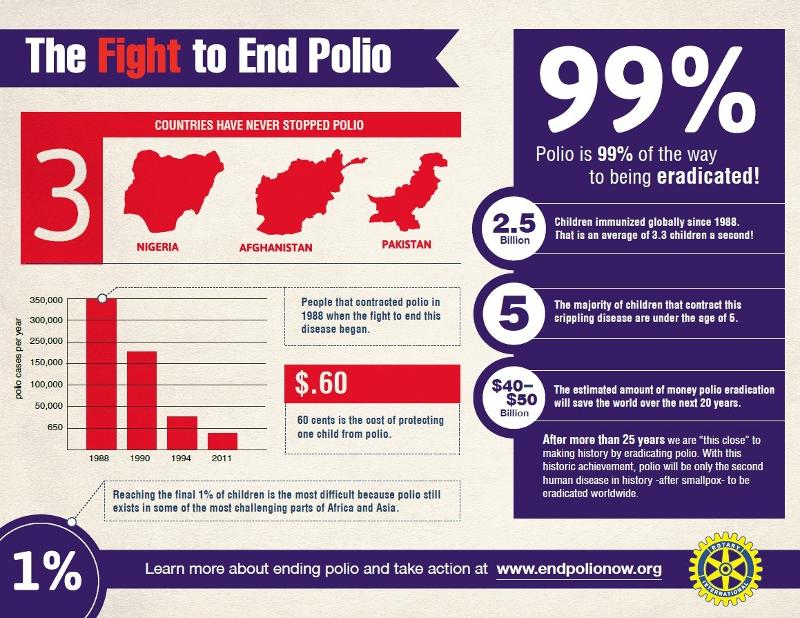
Vaccines are, without question, among the most effective and cost-effective public health tools available, saving between two and three million lives every year. Vaccines have led to the eradication of smallpox, a 99.9% reduction in polio cases worldwide and a dramatic reduction of other diseases like measles, diphtheria and tetanus.

Immunization is also rooted in a commitment to equity and is among the simplest means to advance it.
By ensuring every child, rich or poor, receives the same life-saving vaccines, countries can ensure that the next generation starts out on a more equal playing field in terms of their health.

Beyond the individual, the positive ripple effects of immunization are enormous. When children are vaccinated, families, communities and governments can save or reinvest the time and money that would have been spent caring for sick children. Vaccinated children are more likely to stay in school and ultimately enrich the economy. It’s no wonder that every dollar spent on childhood vaccinations yields $44 in economic benefits.

This week’s commitment by African leaders to act on this wealth of evidence couldn’t have come at a better time.  While many countries in Africa have made tremendous gains in immunization coverage in the last 15 years – contributing to child mortality being halved – progress has stagnated, leaving one in five of African children without access to life-saving vaccines. Concrete actions are needed to achieve the targets of 90% immunization coverage in every country and 80% coverage in every district by 2020, as outlined in the Global Vaccine Action Plan.

The stakes have truly never been higher for ensuring that every child in Africa has access to life-saving vaccines. The largest generation of young people that the world has ever seen is poised to come of age, and Africa’s youth population is growing faster than that of any region in the world. In 2015, 226 million youth aged 15-24 lived in Africa. By 2030, that number is projected to increase by 42%. By 2050, the working age population in sub-Saharan Africa, will more than double.

By investing in young people today, starting with vaccines that keep children alive, healthy and in school, African nations have an incredible opportunity to harness the “demographic dividend” – a surge in healthy, educated and skilled working-age adults who can catapult countries into a period of rapid economic growth and stability. That’s the focus of this year’s AU Summit – and why this high-level commitment to immunization matters so much.

The first requirement for accelerating progress on immunization is already at hand: increased political will. Now, political will must be followed by action, including in the form of increased domestic financing. In some countries, two major sources of funding could soon decline: funding for polio eradication will decrease as progress is made and cases decline, and countries with stronger economies will receive less international aid in the coming years. In response, governments must put financial muscle behind their verbal support – especially as fewer than 15 African countries currently fund more than half of their national immunization programs.

Finally, immunization efforts must be underpinned by robust health systems that are strong at the primary health care level and deliver services based on need, not ability to pay.

We leave this year’s AU Summit filled with optimism and resolve, ready to tackle the challenges that lie ahead. With commitment at the highest levels, we have never been more confident that Africa can and will make vaccine-preventable diseases a thing of the past.

Putting pen to paper was only the beginning. Now, we must build on the momentum of this historic commitment to create a healthier future for all children in Africa.

Dr. Matshidiso Moeti is the World Health Organization’s Regional Director for Africa.

Thursday, January 26, 2017

Breaking the WHO’s Glass Ceiling


By Peter A. Singer and Jill W. Sheffield

This year, the World Health Organization will elect a new Director-General. Last September, WHO member states nominated six candidates for the position: Tedros Adhanom Ghebreyesus, Flavia Bustreo, Philippe Douste-Blazy, David Nabarro, Sania Nishtar, and Miklós Szócska. On January 25, the WHO Executive Board will shortlist three candidates; and in May, the World Health Assembly will elect one of those candidates to succeed Margaret Chan.
All of the candidates have presented a vision for how they would lead the organization, and we personally know and admire several of them. But, ultimately, we believe that Ghebreyesus is the most qualified person for the job. Our endorsement is based on three considerations that are important in any hiring process, and especially for a position such as this: the candidate’s past achievements, leadership style, and the diversity that he or she brings to the table.
With respect to the first consideration, Ghebreyesus has a proven track record of success. As Ethiopia’s health minister from 2005 to 2012, he championed the interests of all of the country’s citizens, and strengthened primary-care services. He created 3,500 health centers and 16,000 health posts, and dramatically expanded the health-care workforce by building more medical schools and deploying more 38,000 community-based health extension workers.
Ghebreyesus’s efforts now serve as a model that other countries seek to emulate as they try to achieve universal health coverage for their citizens. He is the only candidate who has achieved such results at a national level.
Ghebreyesus is also a longtime champion and advocate of gender equality and the rights of women and girls. In fact, his efforts to strengthen Ethiopia’s health system played a crucial role in more than doubling the percentage of Ethiopian women with access to contraception, and in reducing maternal mortality by 75%.
When Ghebreyesus was Ethiopia’s foreign minister from 2012 to 2016, he gained extensive diplomatic experience, not least by leading negotiations for the Addis Ababa Action Agenda, the international community’s plan to finance the United Nations Sustainable Development Goals. This same knack for diplomacy is now needed to bring WHO member states together for cooperative action on collective health challenges.
Ghebreyesus’s leadership style is also perfectly suited for this role: he speaks last, and encourages others to share their views. He also knows how to spot and nurture talent, and how to bring the best out of the people around him. He would undoubtedly boost organizational morale and motivate the staff to deliver maximum value and efficiency – to the benefit of all member states and their citizens. And while he is a receptive listener, he is also decisive, which is an attribute for the leader of the world’s foremost health institution, especially during global public-health emergencies.
Then there is Ghebreyesus’s extensive leadership experience within global health institutions. As Board Chair of the Global Fund to Fight AIDS, Tuberculosis, and Malaria between 2009 and 2011, and as Chair of the Roll Back Malaria Partnership between 2007 and 2009, Ghebreyesus pushed through sweeping changes that dramatically improved both organizations’ operations. What’s more, he helped them raise record-breaking financial commitments from donors: $11.7 billion for the Global Fund, and $3 billion for Roll Back Malaria.
This is precisely the kind experience and expertise that the WHO needs in today’s global health environment, and it explains why the African Union has officially endorsed Ghebreyesus’s candidacy. Amazingly, in its almost 70-year history, the WHO has never had a Director-General from Africa. This fact alone is not a reason to pick a candidate; but in Ghebreyesus’s case, his direct experience working in developing countries makes him uniquely qualified to tackle our toughest global health problems, which tend to hit developing countries the hardest.
It is time to break the WHO’s African-leadership glass ceiling. Sustainable development is truly achievable only when leaders of global institutions are from the communities most affected by those institutions’ work.
Ghebreyesus’s candidacy presents the WHO with an historic opportunity, which its Executive Board should seize on January 25.
Peter A. Singer is Chief Executive Officer of Grand Challenges Canada. Jill W. Sheffield is an independent consultant and longtime advocate for women’s health and rights.


Courtesy: Project Syndicate, 2017.
www.project-syndicate.org

Tuesday, November 29, 2016

Collaboration saving children’s lives in northeast Nigeria and protecting them in the future


Over 100,000 families in conflict-hit northeast Nigeria have been reached so-far with food and nutrition support in a US$20 million (£16.1m) multi-year joint project funded by the UK Department for International Development (DFID). With more than 4.4 million people struggling in crisis and emergency food security levels in Borno and Yobe – the two states worst-hit by the Boko Haram conflict – UNICEF, the World Food Programme (WFP) and Action Against Hunger (AAH) are working together to give families in the two states greater access to food and to protect children from malnutrition.
The three-year project is being carried out in collaboration with the primary health-care agencies of the Government of Nigeria and Borno and Yobe states. It is providing vitamin and mineral supplements for mothers and children, funding for families with severely malnourished children to buy nutritious food, treatment for children with diarrhoea, and advice for pregnant and breastfeeding mothers on how they can provide the best possible nutrition for their children.
With high levels of malnutrition even before the start of the Boko Haram conflict, the two most-affected states have seen food insecurity and malnutrition rates rise dramatically as a result of the fighting. In an already poor area, agriculture and markets have been disrupted by the fighting, which intensified towards the end of last year. The majority of food and seed stocks have been depleted, looted or destroyed, and many of the 1.8 million people who have fled their homes because of the conflict have had to leave behind what little stocks they had. Displacement has left many families with no means of earning a living.
Although this is the harvest season, when more food would normally be available, an estimated 55,000 people in Borno state are living in famine-like conditions. That number is predicted to double by the middle of next year, making longer-term interventions such as the DFID-funded project all the more important.
The project, which began in April and runs through March 2019, has already treated 30,000 children for severe acute malnutrition. More than 100,000 pregnant women have received iron folate; 60,000 children have been treated for diarrhoea, which can cause malnutrition or make it worse; 350,000 children have been given vitamin A supplements, boosting their immune systems and helping to protect them from illnesses such as pneumonia, diarrhoea and measles, which are frequently fatal in the area; and 40,000 pregnant and breastfeeding mothers have been helped with information on the best ways to feed young children in the circumstances in which they live.
An additional part of the project is a system of providing funds directly to families with the lowest incomes to enable them to buy nutritious food to prevent relapse after children have been treated for malnutrition. So far, more than 7,000 families have received this cash assistance.
In the three northeast Nigerian states of Borno, Yobe and Adamawa, an estimated 400,000 children under the age of five will suffer from severe acute malnutrition this year. It is an extremely dangerous condition, making a child nine times more likely to die from an illness than a properly-nourished child. UNICEF, AAH and other partners working in these three states have so far this year managed to treat more than 130,000 children suffering from severe acute malnutrition, including those in the DFID-funded project.

Wednesday, November 9, 2016

Human trials of Army-developed Zika vaccine begin

THE 1st phase of clinical trials of a Zika virus vaccine has begun among 75 healthy adults at the Clinical Trial Center of the Walter Reed Army Institute of Research, in Silver Spring, Maryland, in the United States of America.
The trial is designed to test safety and immunogenicity of the purified, inactivated Zika virus vaccine called ZPIV, developed earlier this year.
Efficacy refers to the vaccine’s ability to demonstrate a health effect when tested in a clinical trial.
Army Colonel (Dr.) Nelson Michael, director of WRAIR’s Military HIV Research Programme, MHRP, and Zika programme co-lead, said it was all done in 10 months.
Zika infections without symptoms can also lead to severe birth defects and neurological complications. A safe and effective Zika vaccine that prevents infection in those at risk is a global public-health priority."
 “The Army has moved efficiently from recognizing Zika virus as a threat, producing ZPIV for use in animals and demonstrating its effectiveness in mice and monkeys, producing ZPIV for human testing, and now initiating clinical trials to establish its safety and build the case for subsequent efficacy trials,
Dr. Kayvon Modjarrad, Zika programme co-lead and associate director for emerging infectious disease threats at WRAIR’s MHRP, said the Army was able to move so quickly in developing, manufacturing and testing a Zika vaccine “because of its extensive experience with this vaccine platform and longstanding investments in the understanding and mitigation of flaviviruses like yellow fever, dating back to the founding of WRAIR.”
WRAIR officials say this study is part of the Defense Department response to the ongoing Zika outbreak in North and South America and Southeast Asia.
For service members, there are concerns about infection during deployment and travel, but also in the continental United States, where most military installations are concentrated in southern states. There, climate conditions and mosquito populations favor Zika transmission, WRAIR officials say.
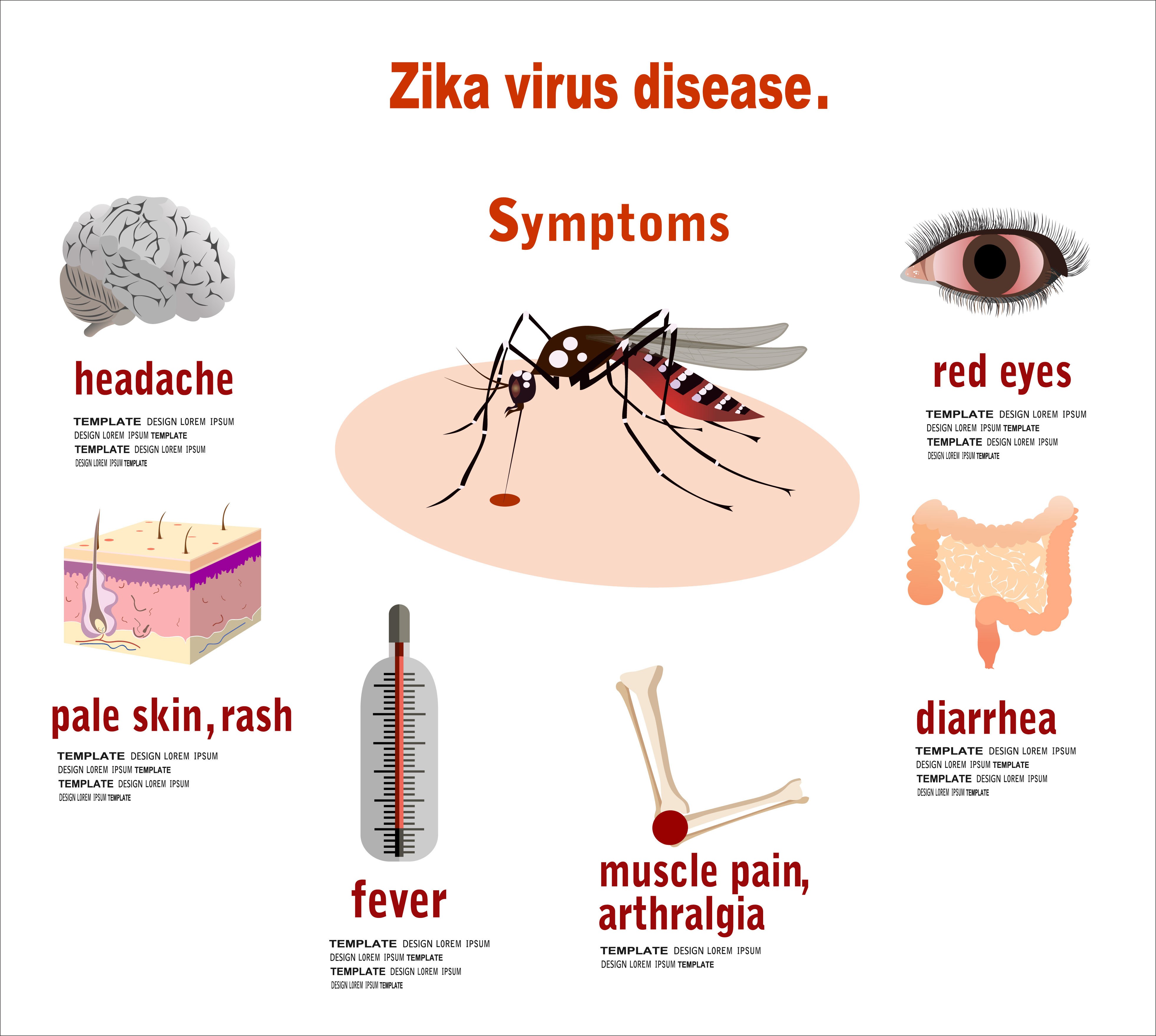
Zika virus is transmitted to people primarily through the bite of an infected Aedes species mosquito -- Aedes aegypti,  and Aedes albopictus. The same mosquitoes spread dengue and chikungunya viruses.
As of Nov. 2, the Centers for Disease Control and Prevention, said149 cases of Zika infection were confirmed in the military health system, including four pregnant service members and one pregnant family member.
Zika infection during pregnancy, CDC says, can cause a birth defect of the brain called microcephaly and other severe fetal brain defects.

Thursday, November 3, 2016

Scientists discover 'switch' that makes breast cancer cells aggressive

A team of scientists from the National University of Singapore (NUS) has established novel insights into the relationship between breast cancer tumour intracellular redox environment and the cancer cells' ability to become invasive.
The study by Dr Alan Prem Kumar from the Cancer Science Institute of Singapore (CSI Singapore) at NUS and NUS Yong Loo Lin School of Medicine, together with Professor Shazib Pervaiz and Associate Professor Marie-Veronique Clement from NUS Yong Loo Lin School of Medicine, found that high levels of Manganese Superoxide Dismutase (MnSOD), a key enzyme involved in regulating the cellular redox milieu, has a role to play in causing breast cancer cells to turn aggressive, especially in triple negative breast cancer subtype tumours. These aggressive cells are able to invade other sites in the body, resulting in secondary tumours.
Over the years, work  has highlighted the critical role of cancer cells' oxidative metabolism in drug resistance and cell survival. This study underscores the importance that MnSOD plays in the biology of breast cancer. 
The new findings build on    the group's previous discovery of the presence of a significantly higher MnSOD levels in triple negative breast cancer patients.
"MnSOD expression is decreased during the initial stages of cancer development. However, as the cancer advances, MnSOD expression increases and such high MnSOD levels are typically observed in triple negative breast cancer patients. In fact, we have shown that less aggressive tumours, when artificially made to increase MnSOD protein levels, adopt an aggressive behaviour. 
"Our study shows that the amount of MnSOD levels in the tumour cell determines the predominant reactive oxygen species that will tell the tumour cells whether to stay put or to transform into an invasive form that is capable of moving to distal parts of the body," explained Dr Loo Ser Yue, a former graduate student from NUS Yong Loo Lin School of Medicine and the first author of the study.
Triple negative breast cancer is a subtype of estrogen-independent breast cancer. Among female patients diagnosed with various subtypes of breast cancer in Singapore and worldwide, about 13 per cent of them are triple negative. 
While considerable progress has been made in the diagnosis and treatment of estrogen-dependent breast cancer, triple negative breast cancer is associated with poor diagnosis due to a lack of targeted therapeutic options. By studying the underlying cause of this subtype of breast cancer, the NUS research team hopes to design and develop effective therapeutic strategies to combat this disease.
Compared to normal cells, cancer cells experience higher oxidative stress, which is the imbalance between the production of free radicals and the body's antioxidant defences. MnSOD, which is a major antioxidant protein, is especially essential for cancer cells to cope with their high oxidative stress. However, the NUS research team found that too much of the MnSOD protein -- as a result of the advancement of the cancer -- activates a molecular program to convert a localised tumour to become aggressive and spread to neighbouring organs.

1 of 8 children with mysterious polio-like illness dies

A six-year-old child who was hospitalized after exhibiting symptoms traditionally associated with a polio-like illness died on Monday, according to the Seattle Times.
Health officials said Jonathan Daniel Ramirez Porter fell ill on Oct. 15, exhibiting symptoms such as vomiting and a high fever. Mr. Porter was then flown to Seattle Children's Hospital where his condition reportedly worsened.
Mr. Porter was one of eight children who exhibited similar symptoms and were taken to the hospital. Five of the children have been released. Mr. Porter was one of three children who remained hospitalized with neurological symptoms. The children ranged in age from three to 14 years old, according to the article.
Hospital officials suspect the children contracted acute flaccid myelitis, or AFM, a neurological condition that causes a range of issues, including paralysis, weakness in the arms or legs, facial drooping, trouble swallowing or drinking or neck stiffness. Many pathogens are linked to AFM, including common viruses that cause colds and sore throats but also polio virus, non-polio enteroviruses and mosquito-borne viruses like West Nile and Zika. None of the children were confirmed to have contracted AFM, however.
The CDC is investigating the cases.

Tuesday, October 25, 2016

Medic calls for more research into infertility treatment

Mothers with their babies during the launch of FAAI in Lagos
A PROFESSOR of Medical Microbiology, Professor Folasade Ogunsola, has advocated for sustained research into the causes and cures of infertility problems in Nigeria. 
Ogunsola, who is the Provost, College of Medicine, University of Lagos, CMUL, said it is necessary to keep researching about ways of curbing infertility in order to make  Invitro Fertilisation, IVF, and other certified treatment approaches more affordable to couples faced by the challenge. 
“We have come a long way in infertility treatment, and we need to continue to demystify (it) infertility, while also encouraging couples that have benefited from the treatment procedures to come out and share their stories,” she noted over the weekend, during the official launch of the Fertility Awareness Advocate Initiative, FAAI, a non-profit support group, aiming to help couples experiencing infertility challenges. 
Recalling  a time at the Lagos University Teaching Hospital, LUTH, when there was no hope for  infertility treatment, Ogunsola said people that went to the clinic at that time had no solution to their problems. “It was such a miserable time and I was really moved. We felt that  even if we could do the O(Obstetrics), without the G (Gynaecology), it would not be enough. At the infertility clinic (LUTH), the same people were there in year after year; there was no solution. 
“It is great that we are having solutions now and that those that have availed themselves of the solutions are happy to talk about it so that others can benefit. As you create awareness and counsel, I would also want you to think about  when this group is mature so that it will collaborate with the universities to expand frontiers of knowledge through research as alternate methods of finding out ways that we can  reduce the burden and cost of treatment.” 
In a remark, the President, FAAI, Mr. Omoz Evborokhai, said the group’s aims and objectives are to promote awareness of fertility treatment options while offering counseling support to that undergoing fertility treatment, and assisting in breaking the myths and misconceptions surrounding infertility in Nigeria. “FAAI promotes enforcement of regulatory standards in the treatment of infertility in Nigeria and collaboration with organisations with similar objectives. 
“Over time, we have discovered that there is ignorance in the populace as to IVF treatment options and as a result a number of couples grope in darkness and go through hell in seeking help. “We at FAAI believe that people should get to know that there is hope at the end of the tunnel and that they can have babies through legitimate processes.
 “By offering counseling support we let couples on the fertility journey know that others have gone through this same route and achieved successes. We also share our experiences which goes a long way to inspire them.” In the views of Medical Director/CEO, Nordica Fertility Centre, Lagos, Abuja & Asaba, Dr Abayomi Ajayi: 
“Having children is the ultimate goal for most married couples. At Nordica, we discovered that most of our patients crave support and need to be enlightened about Assisted Reproductive Treatment, ART. 
“They also need to hear the success stories of others in order to help them overcome their fears and also unmask any negative perception they might have towards seeking fertility treatments. The search for a solution gave birth to this support group called FAAI that has the e goal to reach out to the public and enlighten them about ART.

Nigeria secures $500m Gavi support to boost immunisation, primary healthcare

 By Admin Nigeria has secured a $500 million five-year immunisation support package from Gavi, the Vaccine Alliance, to strengthen primary...